
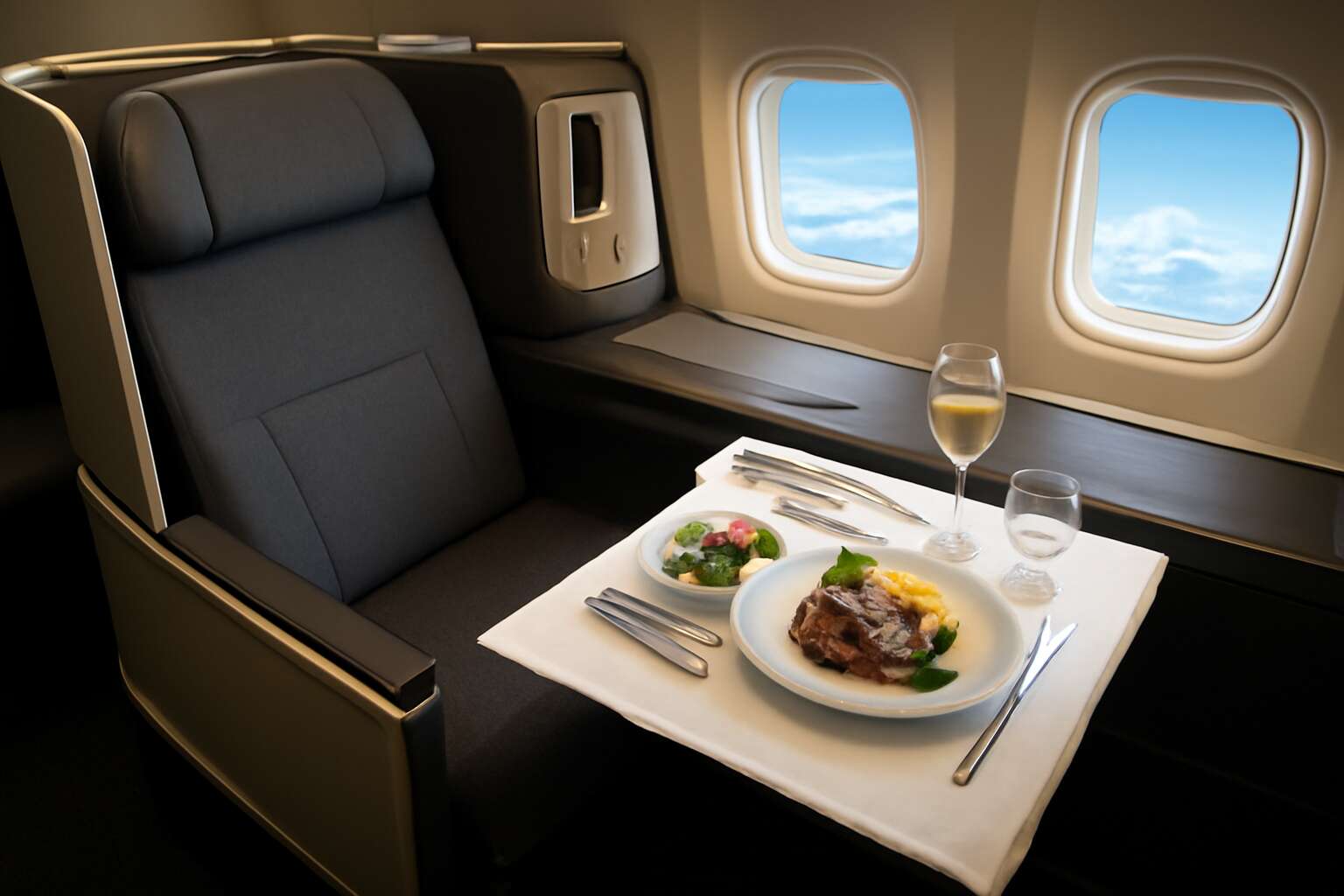
Finding cheap premium cabin travel
Flight routing and departure flexibility
Travel glitters where you expect the price, and the secret is the route. For those asking how to travel business class for cheap, the answer often lies in choosing the right path as you book. Premium cabins aren’t reserved for the few; they’re earned through imagination as well as fare.
Flight routing and departure flexibility can turn an ordinary itinerary into a shimmering upgrade. South Africa’s travellers frequently find grace notes in European layovers or Middle East networks, where seats open up midweek and fare calendars bend toward mercy.
- Experiment with different hubs to smooth connections
- Flex dates to catch off-peak departures
- Mix cabin segments in a single journey
In this way, the dream of premium travel becomes a narrative you can write with eyes open and a passport ready.
Seasonal pricing and sale alerts
Premium cabins aren’t a myth; shoulder-season pricing can slice premium fares by up to 40%, turning a splurge into a sensible choice. This is where the idea of how to travel business class for cheap begins to feel less like privilege and more like strategy.
Seasonal pricing and sale alerts are the quiet engines behind the sheen of a premium cabin. They tug at calendars and fare calendars, nudging upgrade potential into view.
- Shoulder-season European layovers when demand eases midweek
- Regional sale windows synced with airline revenue cycles
- Promotional calendars aligned with South Africa holidays
Beyond the numbers, it’s about reading air travel like a narrative—one where the right window can turn a routine trip into a shimmering upgrade.
Error fares and price anomalies
Airfare folklore tells of error fares that slash premium cabins by 50% to 80%, a jolt that makes luxury feel possible. For those asking how to travel business class for cheap, these glitches resemble secret passages in a familiar map, a shimmering shortcut when borders and budgets collide.
Price anomalies arrive like quiet gusts—rare, sudden, and easy to miss if you aren’t listening. I’ve watched these mispriced moments surface in South Africa, especially on Johannesburg and Cape Town routes, when a booking engine misreads supply, and a fare sprouts wings before retreating into normal numbers.
They vanish as quickly as they appear, leaving a tale rather than a ticket: a narrative where the right moment unlocks a cabin that once seemed out of reach. The magic is in reading travel as a living story where the price is a character, not a rule.
Budget-friendly premium cabin options
Luxury is often priced as a policy, not a feeling, and I’ve seen premium cabin fares swing by up to 40% in a week, making how to travel business class for cheap feel more like a trend you can read.
In the right moment, the right route—paired with patience—turns an upgrade into a conversation with value. South African travelers know the map matters: where you sit, who you sit with, and which alliance you trust for a smoother journey.
- loyalty programs and status boosts
- partner networks that stretch points farther
- interline or mixed-cabin fares that blend comfort with common-sense pricing
These ideas sit behind the curtain, quiet and practical, shaping who gets to travel in style without shouting at the price.
Miles plus cash strategies
Premium cabins don’t always demand premium prices, even for South African travellers. In a recent survey, savvy travellers who mix miles with cash found value gains of 20–40% on premium routes, making how to travel business class for cheap feel almost contrived—until you see the math at play.
Finding cheap premium travel becomes a puzzle of value, not scarcity. Miles-plus-cash strategies let you tailor redemptions by route and date, expanding options without blowing the budget. It’s a quiet negotiation with the airline: a portion paid in cash, a portion paid in miles, maximizing comfort across the journey.
- Exploring the value equation in miles versus cash across alliances
- Considering mixed-cabin awards to preserve comfort while saving
- Monitoring award charts for routes where miles stretch further
- Using transfer timing to unlock favorable rates over time
Fare types, timing, and buying strategy
Upgrade eligibility and fare classes
Here’s a punchy truth: a well-timed fare drop can turn a pricey dream into a doable reality. In South Africa, savvy travellers snag business-class seats with patience and a little swagger. If you’re wondering how to travel business class for cheap, timing and choice matter most.
Fare types and timing matter more than a last-minute upgrade prayer. Fare types range from Basic/Restricted to Standard and Flexible. Midweek sales and longer horizon windows are your friends. Buying strategy: set alerts, monitor upgrade offers, and pounce when value lines up.
- Fare types: Basic/Restricted, Standard, Flexible
- Timing: midweek sales, seasonal windows
- Strategy: price alerts and ready-to-purchase mindset
Upgrade eligibility and fare classes: upgrades depend on fare designators and loyalty status. Basic fares often block upgrades; higher classes unlock mileage or cash options. Check the airline’s rules and upgrade windows to align with your South African travel plans.
Timing for price drops and purchases
“Patience pays in the air,” a seasoned South African flyer likes to say. “Deals arrive when the calendar behaves.” In this game, timing—not luck—makes a pricey dream a doable ticket to the cabin.
Fare types span Basic/Restricted, Standard, and Flexible. The choice isn’t cosmetic: Basic fares often block upgrades, while Standard and Flexible options open mileage or cash upgrade paths that tilt the odds in your favour for premium cabins.
Timing for price drops matters: midweek sales and longer horizon windows are worth watching. If you’re wondering how to travel business class for cheap, a disciplined buying strategy completes the circle:
- Set price alerts for routes you want
- Monitor upgrade offers and act when value sings
- Be ready to pounce when a fare dip aligns
Sale calendars and fare alerts
Fare types are more than labels; Basic/Restricted fares often block upgrades, while Standard and Flexible fares open mileage or cash upgrade pathways that tilt the odds in your favour. In South Africa’s markets, I weigh futures—whether to lock in price today or gamble on seat availability. For those wondering how to travel business class for cheap, the decision begins here: clarity about what you pay for and what you may gain at the upgrade desk.
Timing matters: sale calendars map when midweek dips and longer horizon windows appear, while fare alerts keep you informed the moment prices move!
- Sale calendars reveal premium cabin sale windows in advance
- Fare alerts notify you when price dips align with your routes
- Upgrade offers hidden in the mix may suddenly look approachable
Patience remains your ally. A measured view of fare classes and sale calendars turns premium cabin dreams into attainable travel.
Error fares and how to spot them
Across South Africa’s skies, premium cabin demand has climbed into double digits during shoulder seasons, a reminder that comfort can be a smart currency. Fare types are more than labels; Basic/Restricted fares often cap upgrades, while Standard and Flexible fares open mileage or cash upgrade pathways that tilt the odds in your favour. Timing matters: sale calendars reveal midweek dips and long-horizon windows, while fare alerts ensure you hear the price whisper the moment it moves!
- Basic/Restricted: lower upfront cost, limited upgrade opportunities
- Standard/Flexible: more generous upgrade paths
- Elite or partner fare variants: routes to premium cabins
Error fares and price anomalies flicker like mirages when systems glitch; watch for sudden price dips, route anomalies, and inventory that baffles expectation.
If you’re wondering how to travel business class for cheap, patience and a trained eye are your best allies.
Loyalty programs and miles optimization
Joining airline loyalties and elite status
Shadows cling to the terminal as loyalty cards glow like sigils in the dim light; joining airline loyalties and elite status tilts the scales in your favor, turning a routine ticket into a whispered promise of comfort—it’s a glimpse of how to travel business class for cheap, a little ritual among miles and timing for South Africa’s skybound wanderers.
Miles thrive when they wander through partners and the delicate art of accrual.
- Programs offer reciprocal earning and redemption across partners, expanding your horizon without extra tickets.
- Elite status unlocks upgrades and priority perks, a subtle, resin-hard edge of luxury.
- Transfer bonuses and occasional promos dance in the wings, nudging miles toward a coveted cabin.
In the quiet economy of loyalty, those sigils become your compass.
Credit cards and sign up bonuses
“Miles are the currency of dreams,” says a seasoned traveler. In South Africa’s skies, loyalty programs quietly redraw the map, turning ordinary tickets into whispered upgrades for those who play the game with tact. Part of this journey is discovering how to travel business class for cheap.
- Choose cards with annual bonuses that unlock lounge access and travel credits.
- Stack miles by targeting transfer partners and earning through everyday purchases.
- Track partner promos and favorable transfer rates to maximize value without overspending.
In South Africa, banks and airline alliances translate into practical perks—lounge access, priority boarding, and upgrade potential when spend aligns with the right partners.
With mindful card choices and loyalty choreography, premium travel becomes accessible.
Miles redemption tricks and partnerships
Across South Africa, loyalty programs quietly redraw the map, turning miles into upgrade tickets—loyal fliers report a 60% uptick in upgrade odds. Insiders say seasoned travelers upgrade more often than wallets expect, thanks to lounge access and partner networks that feel like backstage passes.
If you’re wondering how to travel business class for cheap, focus on miles redemption tricks and strategic partnerships. Stack miles by targeting transfer partners with favorable rates and earning through everyday purchases. Track promos that flutter across partner ecosystems to maximise value.
- Transfer partners with favorable rate windows
- Stacking via co-branded cards and everyday spend
- Timing redemptions to align with partner promos
In South Africa, banks and airline alliances translate into practical perks—lounge access, priority boarding, and upgrade potential when the math lines up with the right partners. The result is premium travel that feels earned, not bought, and a little cheeky in its frugality.
Status matching and upgrade queues
Every upgrade is a quiet rebellion against the ordinary—a chance to travel with intention. In South Africa, loyal fliers report a 60% uptick in upgrade odds when lounge access and partner networks align. If you wonder how to travel business class for cheap, loyalty landscapes and mile optimization are your compass.
Status matching opens a corridor of privileges across airlines and alliances, letting elite knowledge travel with you. Upgrade queues reward those who understand partner dynamics and hold priority credits during the right booking moments.
- Cross-brand status matching
- Partner network upgrade queues
- Lounge access as a strategic edge
In South Africa, this math translates into practical perks—loyalty partnerships, lounge access, and a premium travel feeling earned, not bought, with a dash of cheeky frugality.
Stacking promotions and family pooling
Loyalty programs are not mere stamps on a passport; they are living ecosystems that bend with your travel year. For those asking how to travel business class for cheap, loyalty programs become the map that threads miles into tangible experiences.
Miles optimization isn’t about heroic gambits but about rhythm—banking, transferring, and timing redemptions to dance with partner networks and fare classes. When families pool miles, the cadence shifts from solitary journeys to shared horizons, softly redefining what premium travel feels like.
Within this ecosystem, three pillars stand out:
- Loyalty program stacking across partners to extend value
- Family pooling to unite accounts and unlock higher redemption ceilings
- Promotional bonuses synchronized with alliance promotions
In South Africa, the interplay of brands, lounges, and miles creates a premium feeling earned, not bought, with a dash of cheeky frugality.
Booking tactics and upgrade opportunities
Smart routing and airline combinations
Premium cabins aren’t a luxury reserved for a few—timing and routing matter. “Upgrade is a conversation, not a ticket,” a veteran travel manager likes to say. For South African travelers, upgrade talk often starts with flexible dates and departures from Johannesburg or Cape Town.
Booking tactics and upgrade opportunities hinge on value perception. Seek fare families that permit cabin changes and explore partner options that unlock better cabins at lower prices. This is how to travel business class for cheap becomes doable when you view the journey as a craft, not a single ticket.
- Smart routing via alliances reveals cheaper premium cabins by mixing carriers
- Value-driven flexibility over rigid itineraries
- Mixed-cabin itineraries balance price with comfort
Smart routing and airline combinations let you assemble a seamless premium experience without the sticker shock. The right pairing—timed to the networks and aligned with partners—turns a standard fare toward business-class comfort.
Open jaws and multi city itineraries
Open jaws are not gimmicks; they’re tools. In practice, flexible dates and hub-to-hub routing tilt the odds toward premium cabins. Upgrade is a conversation, not a ticket. For South African travelers, that conversation starts with Johannesburg or Cape Town departures. I’ve seen open jaws unlock upgrades when dates align.
- Open jaws: Fly into one city and out of another to unlock upgrade leverage.
- Multi-city itineraries: String long-haul segments through hubs with favorable upgrade economics.
In practice, patience pays and the right pairing of carriers matters. This approach shows how to travel business class for cheap.
Third party tools and fare monitoring
For readers wondering how to travel business class for cheap, booking tactics aren’t tricks—they’re a toolkit. Upgrade opportunities hinge on timing and routing more than status. In South Africa, that means watching fares from Johannesburg or Cape Town, embracing small date windows, and letting price movements guide your buy moment. A patient approach often yields seats that feel like a windfall rather than a stretch.
- Set proactive fare watches using third‑party tools and airline alerts to catch price dips before you buy.
- Experiment with one premium cabin segment on the longest leg and keep the others in economy—pricing can tilt upgrade odds in your favor.
- Choose tickets with flexible change policies so you can shift when better upgrade paths appear.
Pairing tools with patience is how you translate this into reality. Third-party fare monitors, airline apps, and browser alerts surface moments when a price dips or an upgrade queue loosens, turning market chatter into concrete outcomes.
Bid for upgrade programs and last minute offers
Premium cabins aren’t a luxury; they’re a negotiation with time. It’s a mindset that turns booking from a race into a conversation. This is how to travel business class for cheap.
Upgrade opportunities hinge on timing and routing more than status. In South Africa, monitor fare movement from Johannesburg and Cape Town, and stay patient as the market speaks. Upgrade auctions and last-minute offers can turn a price dip into a seam of value.
- Upgrade programs arrive with limited seats; bidding can unlock seats as departure approaches
- Last-minute offers on the longest leg often appear when demand shifts, not when schedules tighten
- Flexible fare options keep premium seats accessible without wrecking travel plans
The theatre of upgrade is never silent—listen to the price, the queue, and your own compass.
Travel timing and seasonal planning
Premium cabins breathe with the market; a flight to Johannesburg or Cape Town can swing 20–40% week to week depending on demand. If you’re wondering how to travel business class for cheap, listen to price conversations rather than timetables—pricing tells you when value whispers, not shouts.
In SA, upgrade paths rely on timing and routing more than status; monitor fare movements from Johannesburg and Cape Town, and stay patient as the market breathes. Upgrade auctions and last-minute offers can turn a price dip into value before wheels up.
Seasonal planning has its rhythms; shoulder periods offer quieter cabins and friendlier pricing, especially on longer legs.
- Set price alerts for long-haul legs
- Consider mixed cabin itineraries when possible
- Be ready to pull the trigger as departures approach


0 Comments